The real estate landscape is experiencing a remarkable shift toward sustainable living solutions.
Property owners worldwide are discovering innovative ways to enhance their investments while contributing to environmental preservation.
Among these revolutionary approaches, vegetated rooftops have emerged as game-changers in the property market.
These living installations are no longer just aesthetic additions to buildings.
They represent a powerful financial strategy that smart investors and homeowners are embracing enthusiastically.
The transformation of ordinary rooftops into thriving ecosystems has proven to deliver substantial returns on investment.
Market data reveals astonishing increases in property valuations when these systems are properly implemented.
Beyond mere numbers, these installations reshape how we perceive urban development and sustainable architecture.
The Financial Impact On Property Values
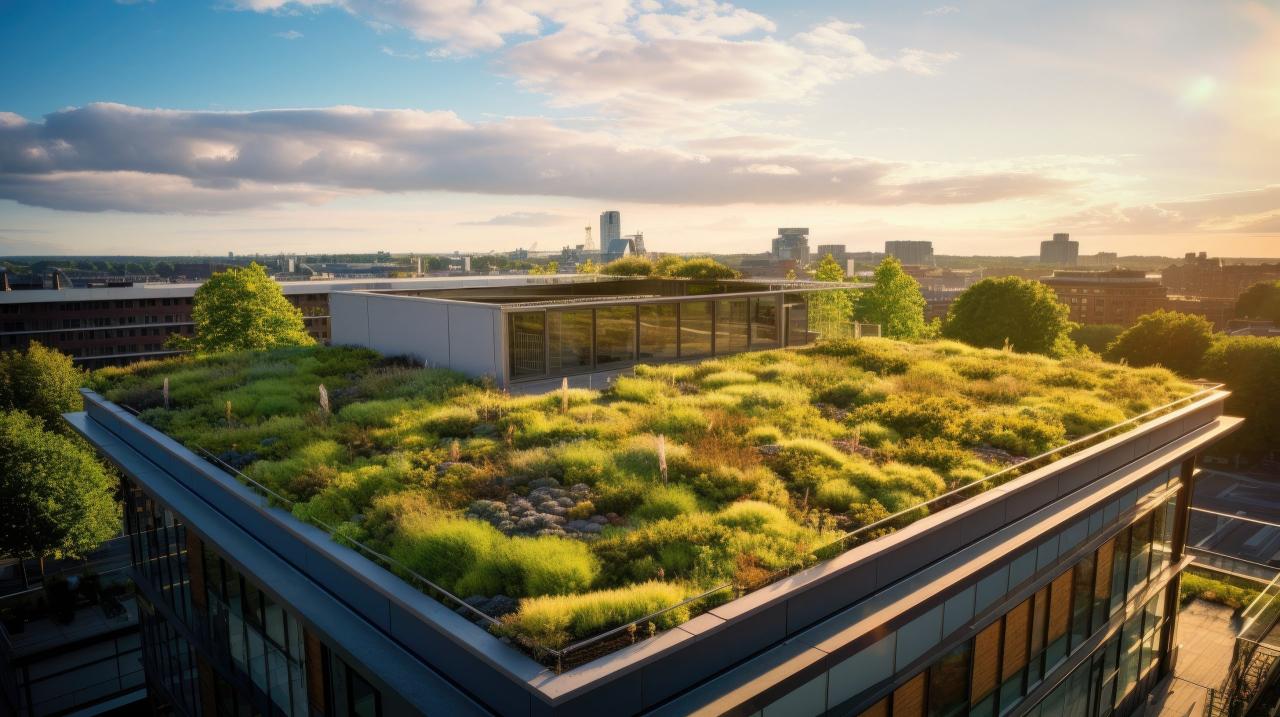
Real estate experts have documented impressive valuation increases linked to vegetated roofing systems.
Studies indicate property values can surge between forty and eighty percent following installation.
This dramatic appreciation far exceeds most traditional home improvement projects.
The initial investment typically pays for itself within six to seven years through various savings mechanisms.
Energy cost reductions contribute significantly to this accelerated payback period.
Properties equipped with these systems consistently command higher prices in competitive markets.
Buyers increasingly prioritize sustainable features when making purchasing decisions.
The premium pricing reflects growing awareness of long-term operational savings and environmental responsibility.
Rental properties with vegetated roofs attract tenants willing to pay seven percent more monthly.
Commercial buildings experience similar patterns with occupancy rates remaining consistently higher.
These financial benefits extend beyond the immediate property to neighboring buildings as well.
Adjacent properties can see valuation increases up to five percent simply by proximity.
This neighborhood effect creates compelling incentives for community-wide adoption.
Energy Savings That Drive Value
Temperature regulation represents one of the most significant financial advantages of these installations.
Buildings with vegetated roofs require substantially less heating during winter months.
Cooling demands drop by an astounding seventy percent compared to conventional roofing systems.
The insulation properties of soil and vegetation create natural thermal barriers.
Surface temperatures on these roofs measure fifty-six degrees Fahrenheit cooler than traditional alternatives.
This temperature differential translates directly into reduced HVAC operational costs.
Indoor air temperatures can drop by twenty-seven degrees without additional cooling mechanisms.
Annual energy savings range from fifteen to fifty-seven cents per square foot for cooling alone.
Heating savings add another eighteen cents per square foot annually.
These consistent savings accumulate into substantial amounts over the system’s lifespan.
Property owners report dramatic reductions in monthly utility bills immediately after installation.
The energy efficiency improvements enhance overall property marketability significantly.
Prospective buyers calculate these ongoing savings into their purchase offers.
Extended Roof Longevity Matters
Traditional roofing materials deteriorate rapidly under constant exposure to harsh elements.
Vegetated systems protect the underlying waterproofing membrane from UV radiation and temperature extremes.
This protective layer effectively doubles the expected lifespan of conventional roofing materials.
Standard roofs typically require replacement every twenty to twenty-five years.
Green roof systems can last fifty years or more with proper maintenance protocols.
The extended lifespan reduces long-term capital expenditure requirements substantially.
Replacement costs for roofing materials represent significant expenses in building maintenance budgets.
Delaying these replacements by decades creates enormous financial advantages for property owners.
The durability factor alone justifies the initial investment for many commercial property managers.
Insurance companies recognize this longevity benefit through potentially reduced premium rates.
Urban Heat Island Mitigation Benefits
Cities experience significantly higher temperatures compared to surrounding rural areas.
This phenomenon, known as urban heat island effect, drives up cooling costs across metropolitan regions.
Concrete and asphalt surfaces absorb solar radiation and release heat throughout the day and night.
Vegetated rooftops counteract this effect by absorbing heat through evapotranspiration processes.
Nearby air temperatures can decrease by twenty degrees Fahrenheit around buildings with these installations.
This cooling effect extends beyond individual properties to benefit entire neighborhoods.
Municipal governments increasingly value properties that contribute to climate resilience strategies.
Some cities offer tax incentives or expedited permitting for buildings incorporating these systems.
The public benefit aspect enhances property desirability among socially conscious buyers.
Communities with extensive vegetated roof coverage experience measurably improved air quality.
Stormwater Management Advantages
Urban flooding represents a growing challenge for cities worldwide due to impervious surface proliferation.
Traditional roofing materials contribute significantly to stormwater runoff volume during precipitation events.
Vegetated systems absorb substantial quantities of rainwater before it enters municipal drainage systems.
This retention capacity reduces strain on aging stormwater infrastructure.
Many municipalities offer development fee reductions for properties incorporating green infrastructure solutions.
Stormwater credits can offset installation costs substantially in jurisdictions with these programs.
The water quality benefits extend beyond volume reduction to include natural filtration processes.
Vegetation and growing media filter pollutants before water reaches drainage systems.
This ecological service provides measurable value to communities and potentially to property valuations.
Properties demonstrating environmental stewardship attract premium pricing from environmentally conscious buyers.
LEED Certification Opportunities
Leadership in Energy and Environmental Design certification has become highly sought after in commercial real estate.
Vegetated roofing systems contribute points toward LEED certification across multiple categories.
These include stormwater management, energy efficiency, sustainable materials, and innovation credits.
LEED-certified buildings consistently command higher sale prices and rental rates than comparable properties.
The certification provides third-party validation of sustainability claims that resonate with corporate tenants.
Companies increasingly prioritize office spaces in certified buildings to meet corporate sustainability goals.
The market premium for LEED certification creates direct financial incentives for green roof installation.
Certification also enhances property marketability when seeking refinancing or attracting institutional investors.
Aesthetic Appeal And Wellness Benefits
Visual attractiveness significantly influences property valuations in competitive real estate markets.
Vegetated roofs transform previously unused spaces into beautiful landscaped areas.
This transformation particularly benefits urban properties with limited ground-level green space.
Residents and workers gain access to outdoor environments that promote mental health and wellbeing.
Proximity to vegetation delivers documented physiological benefits including stress reduction and improved memory.
These wellness advantages translate into tangible value for residential and commercial properties alike.
Rooftop gardens create unique amenities that differentiate properties from competitors.
Outdoor gathering spaces foster community building and social interaction among residents.
The distinctive character of these installations enhances property identity and brand recognition.
Architectural photography featuring vegetated roofs improves marketing materials considerably.
Market Demand Trends
Consumer preferences are shifting dramatically toward sustainable and eco-friendly properties.
Millennial and Generation Z buyers particularly prioritize environmental features in housing decisions.
This demographic represents an increasingly dominant force in real estate markets.
Properties without sustainable features risk becoming less attractive to future buyers.
The vegetated roof market is experiencing explosive growth with seventeen percent annual expansion projected through twenty-thirty.
This market momentum indicates sustained and growing demand for properties with these features.
Early adopters position themselves advantageously for future appreciation beyond standard market rates.
Corporate real estate managers face increasing pressure to meet environmental, social, and governance criteria.
Buildings with green infrastructure score favorably in ESG assessments that influence investment decisions.
Installation Types And Property Applications
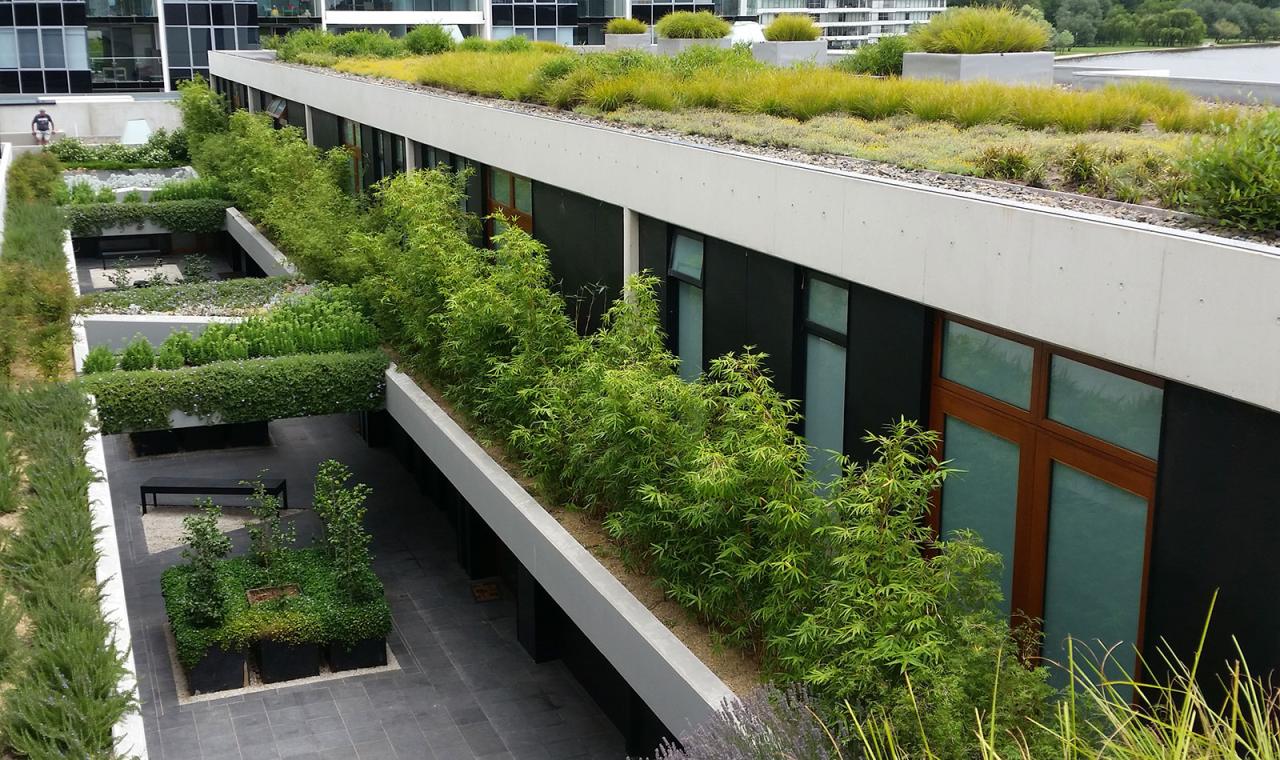
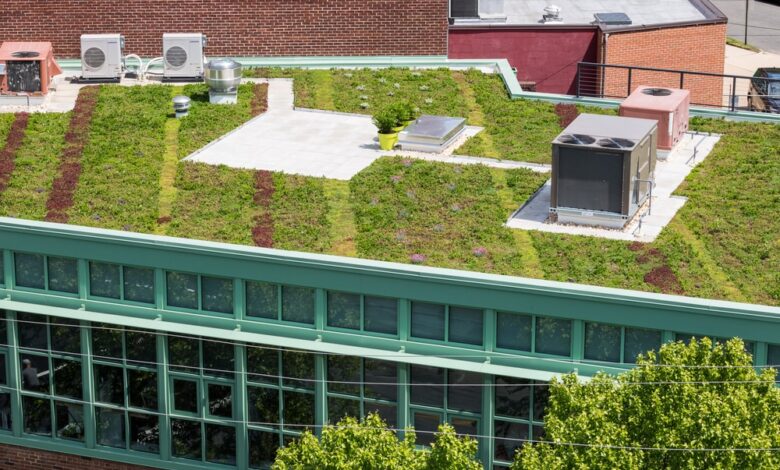
Extensive green roof systems feature shallow growing media with low-maintenance vegetation.
These installations work well on buildings with limited structural capacity for additional weight.
Intensive systems incorporate deeper soil layers supporting diverse plant species including shrubs and small trees.
These create park-like environments but require stronger structural support systems.
Semi-intensive systems balance depth, diversity, and structural requirements for versatile applications.
Residential properties increasingly adopt modular systems that simplify installation and maintenance.
Commercial buildings often implement extensive systems across large roof areas for maximum environmental impact.
Mixed-use developments combine different system types to create varied rooftop experiences.
Historic buildings can incorporate lightweight systems that preserve architectural integrity while adding value.
The versatility of available options means virtually any property type can benefit from these installations.
Maintenance Requirements And Considerations
Proper maintenance ensures vegetated roofs deliver promised benefits throughout their extended lifespans.
Regular inspections identify potential issues before they compromise system performance or building integrity.
Seasonal maintenance includes irrigation system checks, vegetation health assessments, and drainage verification.
Professional maintenance services typically cost less than traditional roofing maintenance programs.
The simplified upkeep requirements make these systems practical for various property management structures.
Plant selection significantly influences long-term maintenance needs and system resilience.
Native and adapted species require minimal intervention once established in appropriate growing conditions.
Automated irrigation systems reduce water management complexity and ensure optimal plant health.
Some systems incorporate smart sensors that monitor moisture levels and trigger irrigation as needed.
The maintenance profile actually enhances property value by demonstrating manageable long-term obligations.
Regulatory Incentives And Requirements
Government bodies worldwide are implementing policies that encourage or mandate green infrastructure.
Some jurisdictions require new construction projects to incorporate vegetated roofing systems.
These mandates create baseline expectations that influence property valuations across entire markets.
Tax incentives offset installation costs in cities promoting climate resilience and sustainability.
Expedited permitting processes reduce project timelines and soft costs for compliant developments.
Stormwater fee reductions provide ongoing operational savings that enhance property cash flow.
Some utilities offer rebates for installations that reduce peak electricity demand during summer months.
These cumulative incentives substantially improve project economics and investment returns.
Properties positioned to take advantage of these programs gain competitive advantages in their markets.
Future regulatory trends suggest expanding requirements and incentives for sustainable building features.
Insurance And Risk Management
Insurance considerations increasingly factor into property investment decisions and valuations.
Some insurers offer premium discounts for buildings with enhanced fire resistance and storm resilience.
Vegetated systems can improve fire ratings when properly designed with appropriate materials.
The thermal mass and moisture content of these installations provide natural fire retardant properties.
Storm damage resistance improves due to protective layers shielding underlying roofing membranes.
Wind uplift resistance can exceed that of conventional roofing systems in properly anchored installations.
Reduced risk profiles translate into lower insurance costs that enhance property operating economics.
Some jurisdictions experience reduced flood insurance premiums for properties managing stormwater on-site.
The risk mitigation aspects provide additional justification for premium property valuations.
Air Quality Improvements
Urban air pollution represents a growing public health concern in metropolitan areas worldwide.
Vegetated roofing systems filter particulate matter and absorb gaseous pollutants from ambient air.
This natural filtration process measurably improves air quality in neighborhoods with substantial green roof coverage.
Reduced concentrations of PM2.5, PM10, ozone, and nitrogen dioxide benefit residents and workers.
The health improvements associated with cleaner air create indirect economic benefits for communities.
Properties contributing to air quality improvements may command premiums from health-conscious buyers.
Corporate tenants increasingly evaluate air quality when selecting office locations for employee wellbeing.
The public health benefits enhance community support for developments incorporating these features.
Carbon Sequestration Value
Climate change concerns are influencing property investment decisions across all real estate sectors.
Vegetated systems actively sequester atmospheric carbon through photosynthesis and soil storage.
This carbon capture capability aligns properties with global climate mitigation efforts.
Some carbon credit programs may eventually compensate property owners for documented sequestration.
The climate benefit messaging resonates strongly with environmentally conscious buyers and tenants.
Properties demonstrating measurable carbon footprint reductions attract premium valuations in sustainability-focused markets.
Corporate tenants often require carbon-neutral or carbon-negative facilities to meet company commitments.
Biodiversity And Ecological Value
Urban environments typically offer limited habitat for birds, insects, and other wildlife species.
Vegetated roofs create island ecosystems that support biodiversity in otherwise inhospitable settings.
Pollinator populations benefit particularly from these installations in urban food deserts.
The ecological services provided by these habitats create intangible value appreciated by many buyers.
Environmental certification programs recognize biodiversity contributions with favorable ratings.
Some developments market their ecological features as distinctive selling points.
Educational institutions particularly value these installations for teaching opportunities and environmental demonstration.
Noise Reduction Benefits
Urban noise pollution affects quality of life and property desirability in dense metropolitan areas.
Vegetated systems provide sound insulation superior to conventional roofing materials.
The combination of soil, vegetation, and trapped air layers absorbs sound energy effectively.
This acoustic benefit particularly enhances value for residential properties in noisy environments.
Commercial properties near airports or highways gain competitive advantages through noise mitigation.
The quieter indoor environments contribute to productivity and comfort for building occupants.
Social And Community Benefits
Rooftop green spaces create opportunities for community gathering and social interaction.
Shared amenities enhance residential property desirability and support premium pricing.
Urban agriculture programs on intensive green roofs provide fresh produce for residents.
These community-building features differentiate properties in competitive rental markets.
Corporate campuses with rooftop gardens demonstrate commitment to employee wellness and satisfaction.
The social return on investment complements financial returns in comprehensive property valuations.
Future-Proofing Real Estate Investments
Climate change projections indicate increasing environmental challenges for urban properties.
Extreme heat events, intense precipitation, and shifting weather patterns threaten conventional buildings.
Properties incorporating climate-adaptive features like vegetated roofs demonstrate future resilience.
This resilience factor increasingly influences investment decisions by sophisticated buyers.
Future building codes will likely mandate sustainability features currently considered premium amenities.
Early adoption positions properties favorably for evolving regulatory landscapes.
The adaptive capacity of these systems provides flexibility to address emerging challenges.
Financing And Investment Considerations
Traditional financing mechanisms are evolving to recognize green infrastructure value propositions.
Some lenders offer preferential interest rates for properties with certified sustainability features.
Green bonds and sustainability-linked loans provide capital specifically for environmental improvements.
The improving economics and proven performance record facilitate project financing.
Return on investment calculations increasingly favor these installations given multiple value drivers.
Sophisticated investors analyze total cost of ownership rather than simply initial capital outlay.
The compelling financial case supports investment even without considering environmental benefits.
Case Studies And Real-World Performance
Toronto has emerged as a leader with extensive adoption driven by mandatory green roof policies.
The city’s properties demonstrate consistent value appreciation linked to these installations.
Chicago’s City Hall green roof sparked widespread adoption and documented substantial benefits.
Vancouver’s aggressive targets have created market momentum favoring properties with these features.
New York City properties with vegetated roofs command measurable premiums in competitive markets.
European cities demonstrate even longer track records with decades of performance data available.
These real-world examples validate theoretical benefits with concrete financial outcomes.
Implementation Best Practices
Successful installations begin with thorough structural assessments by qualified engineers.
Professional design ensures systems appropriate for local climate and building characteristics.
Quality materials and experienced installers minimize risks and maximize long-term performance.
Integrated design processes consider aesthetics, functionality, and maintenance from project inception.
Proper waterproofing remains critical to protecting building integrity and ensuring system longevity.
Plant selection should prioritize species adapted to local conditions for minimal maintenance requirements.
Monitoring systems track performance and identify maintenance needs proactively.
Market Analysis And Comparative Advantage
Properties with vegetated roofs consistently outperform comparable properties in market transactions.
Days on market typically decrease for listings featuring these distinctive amenities.
Multiple offer situations occur more frequently for properties with sustainability features.
Appraisers increasingly recognize green infrastructure value in formal property valuations.
The competitive advantage extends across residential, commercial, and institutional property sectors.
Market differentiation becomes crucial in oversupplied markets where properties compete intensely.
Global Trends And International Perspectives
European cities lead globally in adoption rates and policy support frameworks.
Asian metropolises are rapidly expanding installations to address severe air quality challenges.
North American markets show accelerating growth driven by climate concerns and regulations.
Developing nations recognize potential for leapfrogging traditional development patterns.
International building standards increasingly incorporate green infrastructure requirements.
Global best practices inform local implementation strategies and policy development.
Technology Integration Opportunities
Smart building systems integrate vegetated roof monitoring with overall facility management.
Sensors provide real-time data on moisture levels, temperature, and plant health.
Automated irrigation systems optimize water usage while maintaining optimal growing conditions.
Performance data supports maintenance scheduling and demonstrates value to stakeholders.
Integration with renewable energy systems creates synergistic benefits and operational efficiencies.
Technology enhancements reduce operational complexity while maximizing system performance.
Professional Services And Industry Growth
Specialized contractors and consultants support growing market demand for expertise.
Professional associations provide training, certification, and industry standards development.
The expanding service sector creates business opportunities and employment growth.
Quality assurance programs protect property owners and ensure consistent performance outcomes.
Industry maturation drives innovation in materials, techniques, and system designs.
Overcoming Implementation Barriers
Initial cost concerns represent the primary barrier to wider adoption.
Education about total cost of ownership and long-term value creation addresses this obstacle.
Financing mechanisms specifically designed for green infrastructure reduce capital requirements.
Demonstration projects build confidence and familiarity among stakeholders.
Policy support including mandates and incentives accelerates market transformation.
Standardized specifications and proven systems reduce perceived implementation risks.
Conclusion
The evidence overwhelmingly supports vegetated roofing systems as exceptional property value drivers.
Financial returns consistently exceed those of traditional building improvements across multiple metrics.
Property value increases ranging from forty to eighty percent represent extraordinary appreciation potential.
Energy savings provide immediate cash flow improvements that enhance overall investment returns.
Extended roof lifespans reduce long-term capital expenditure requirements substantially.
Market demand continues accelerating as sustainability becomes increasingly central to buyer priorities.
Regulatory trends favor properties incorporating these systems through incentives and requirements.
The multiple benefit streams create compelling value propositions from purely financial perspectives.
Environmental and social benefits complement financial returns creating comprehensive value creation.
Property owners positioned to capitalize on these trends gain significant competitive advantages.
Early adoption maximizes benefits before these features become standard market expectations.
The transformation of urban environments through widespread adoption benefits entire communities.
Individual property decisions collectively shape healthier, more resilient, and more valuable urban landscapes.
Smart investors recognize vegetated roofing systems as strategic assets in diversified portfolios.
The convergence of market forces, policy support, and proven performance creates an optimal environment for adoption.
Future-oriented property owners increasingly view these installations as essential rather than optional.
The remarkable impact on property valuations makes vegetated roofs one of the most effective investment strategies available today.